Banking has always been a part of human life—whether it’s depositing savings, paying bills, or applying for loans. For decades, the image of a bank was tied to tall buildings, long queues, and paperwork-heavy processes. But the world has changed. With the internet, smartphones, and now digital-only banks, people are starting to ask: Do we still need physical banks anymore? Let’s dig into this question with simple, straight-to-the-point insights.
What are digital banks?
Digital banks, often called “neobanks” or “online-only banks,” operate without traditional branches. Instead, everything happens through apps or websites. You can open an account, transfer money, pay bills, or even invest—all without stepping into a building.
They are often cheaper, faster, and more user-friendly compared to traditional banks. And honestly, in today’s fast-paced lifestyle, convenience is everything.
Why digital banks are rising so fast 📈
There are many reasons why digital banks are growing so rapidly. Here are some of the main ones:
-
24/7 access – You don’t need to wait for “bank timings.”
-
Lower fees – No expensive branch maintenance means fewer charges.
-
User-friendly apps – Modern design makes managing money easy.
-
Faster services – Quick account setup, instant transfers.
-
Better financial tools – Spending trackers, budgeting tools, and notifications help customers stay in control.
Comparison between digital banks and physical banks
To understand better, here’s a simple comparison:
| Feature | Digital Banks 🖥️ | Physical Banks 🏦 |
|---|---|---|
| Accessibility | 24/7, from anywhere | Limited to branch hours |
| Fees | Usually lower | Higher fees for services |
| Account opening | Few minutes online | Requires paperwork & visits |
| Customer support | Online chat, AI, video calls | Face-to-face, phone |
| Trust & reliability | New but growing trust | Decades of established trust |
| Cash handling | Limited or none | Full cash services |
| Personal relationships | Minimal | Stronger, human interaction |
Are physical banks becoming obsolete?
This is the million-dollar question. Many people believe digital banks will completely replace physical banks. But the reality is more balanced. While digital banks are fast, affordable, and accessible, physical banks still have some advantages.
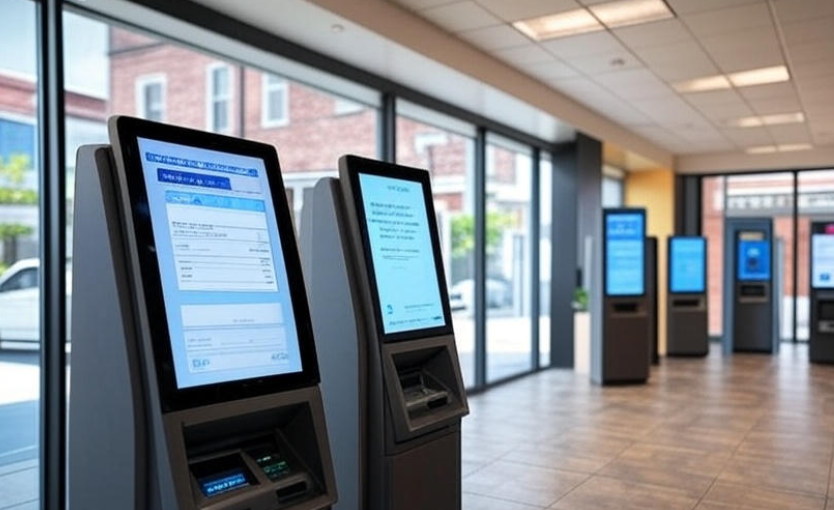
For example, businesses that deal heavily in cash still need branches. Also, many older customers feel more comfortable talking face-to-face with a banker. Physical banks also provide a sense of security because they’ve been around for decades.
Generational differences in banking preferences 👩🦳👨💻
Younger people (Millennials and Gen Z) are much quicker to adopt digital banks. They are tech-savvy and prefer doing everything through their phones. Older generations, on the other hand, still prefer traditional banks because they value personal relationships and trust.
Here’s a quick breakdown:
| Age Group | Preference | Reason |
|---|---|---|
| Gen Z & Millennials | Digital banks | Fast, easy, mobile-first |
| Gen X | Mixed | Comfortable with both |
| Baby Boomers | Physical banks | Trust, human connection |
Challenges digital banks face 🚧
While digital banks are growing, they’re not perfect. Some challenges include:
-
Trust issues – Many people still don’t fully trust online-only banks.
-
No cash services – Hard to deposit or withdraw cash.
-
Limited services – Some digital banks don’t offer loans, mortgages, or complex financial products.
-
Tech dependency – Internet or app issues can lock customers out.
-
Security risks – Cybercrime is a big concern.
How physical banks are fighting back
Traditional banks are not sitting idle. They are launching their own apps, cutting down fees, and improving customer experience. Many are adopting a hybrid model: a strong digital presence with physical branches for those who need them.
Some banks even allow “video banking,” where customers can connect with a banker online but still get a human touch.
The future of banking: Hybrid or fully digital?
Looking at trends, it’s unlikely that physical banks will vanish completely—at least not soon. Instead, we may see a hybrid future where digital banking dominates daily transactions, while physical banks focus on complex services, business banking, and people who value personal connections.
Digital banks will keep rising because they are cheaper and more efficient. But physical banks will survive by reinventing themselves.
Key benefits of digital banks you should know
-
Faster account opening
-
Real-time transaction alerts 📲
-
Lower charges on transfers
-
Easy international banking
-
Built-in budgeting tools
-
Seamless integration with e-wallets and fintech apps
Key reasons physical banks still matter
-
Cash deposits and withdrawals
-
Legal and complex transactions
-
Personalized advice and trust
-
Services for non-tech-savvy customers
-
Stronger fraud detection in some cases
So, should you switch to a digital bank?
The best option might not be choosing one over the other but using both. Many people keep a digital bank account for convenience and a physical bank account for stability. This way, you get the best of both worlds.
FAQs 🤔
Q1: Are digital banks safe?
Yes, most are licensed and regulated just like traditional banks. However, always check if your digital bank is approved by your country’s financial authority.
Q2: Can digital banks replace cash transactions?
Not completely. They are great for online payments, but for cash-heavy businesses, physical banks are still necessary.
Q3: What happens if my digital bank app crashes?
Most digital banks have backup systems, but outages can happen. Keeping a secondary account in a physical bank is always a good safety net.
Q4: Do digital banks offer loans and mortgages?
Some do, but their range is often smaller compared to traditional banks. Many focus on personal loans and credit cards, while mortgages are still dominated by physical banks.
Q5: Is the future of banking cashless?
Maybe not fully, but the world is moving toward digital-first. Cash use is declining, but physical money will still exist for years to come.
Final thoughts
The rise of digital banks is undeniable. They offer convenience, speed, and affordability that physical banks can’t always match. Yet, traditional banks still have their place, especially when it comes to trust, complex services, and cash transactions.
So, are physical banks becoming obsolete? Not yet. But the balance is shifting, and the future of banking will definitely be more digital than ever before.